Atradius Atrium
Get direct access to your policy information, credit limit application tools and insights.

 Ireland
 Australia
 Austria
 Belgium
 Brazil
 Bulgaria
 Canada
 China
China
 Czech Republic
 Denmark
 Finland
 France
 Germany
 Greece
 Group
Group
 Hong Kong SAR
 Hungary
 India
Ireland
India
Ireland
 Italy
Italy
 Japan
Japan
 Lithuania
 Mexico
 Netherlands
 New Zealand
 Norway
 Poland
 Portugal
 Romania
 Singapore
 Slovakia
 Slovenia
 Spain
Spain
 Sweden
 Switzerland
 Turkey
 United Arab Emirates
 United Kingdom
 United States
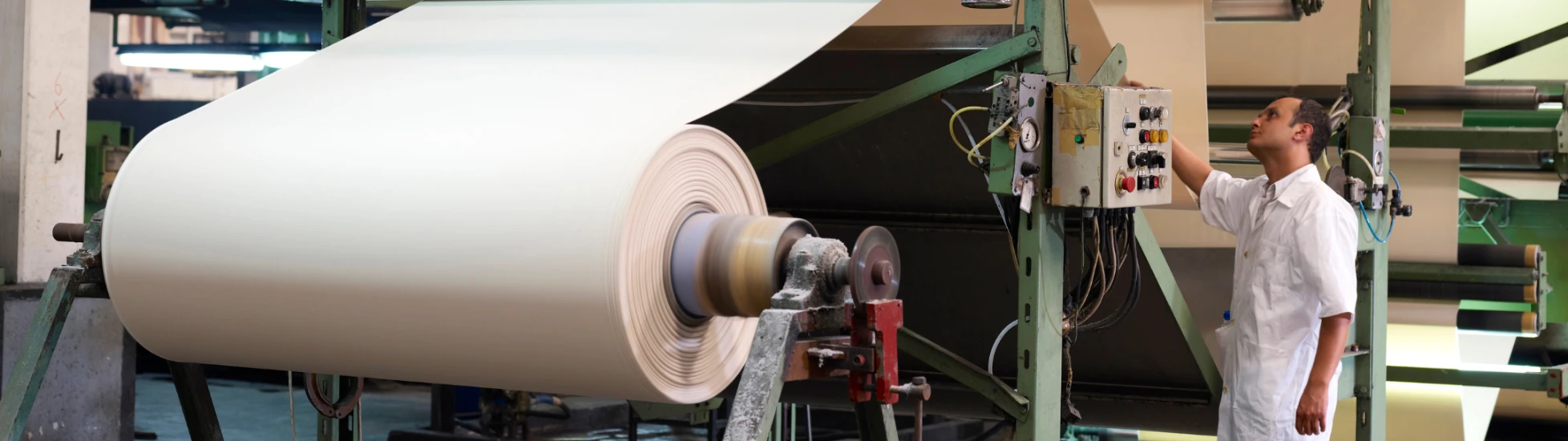
The paper and packaging industry enters 2026 navigating a landscape defined by shifting consumer behaviours, evolving sustainability expectations and ongoing cost pressures. After several years of volatility, businesses across the sector are working to stabilise performance while adapting to new patterns of demand. Markets that surged during the pandemic have now levelled out, while input costs, from energy to recycled fibre remain unpredictable. Against this backdrop, operational efficiency, smarter material choices and strategic cost management are becoming critical to maintaining competitiveness.
At the same time, long‑term structural forces continue to reshape the industry. Sustainability remains high on the agenda, with retailers, manufacturers and consumers all pushing for lighter, more recyclable and circular packaging solutions. Economic pressure is uneven across end‑markets, reinforcing the importance of resilient sectors such as food and pharmaceuticals.
As 2026 unfolds, we look at five trends that collectively highlight a sector in transition, one that is balancing the need for innovation with the realities of tightening margins and changing global market dynamics.
Paper prices have eased from the highs of the early 2020s, reflecting weaker demand and the cooling of pandemic-driven pressures. However, volatility remains a defining feature, with geopolitical events, energy-intensive production processes and persistent input cost inflation still influencing pricing. Meanwhile, shortages of OCC (Old Corrugated Cardboard) continue to add pressure to supply chains.

Despite the softening of pulp and paper prices, margins remain squeezed. Consumer confidence is fragile, inflation continues to shape buying behaviours, and producers are holding onto elevated pricing for as long as possible in a declining market. In 2025, claims activity increased, highlighting how tight trading conditions have become and why safeguarding profitability will remain a priority throughout 2026.
E-commerce remains a cornerstone of demand for packaging materials. The sector continues to benefit from online shopping habits established during years of rapid digital adoption, and packaging volumes linked to FMCG and home deliveries remain stable drivers in 2025.
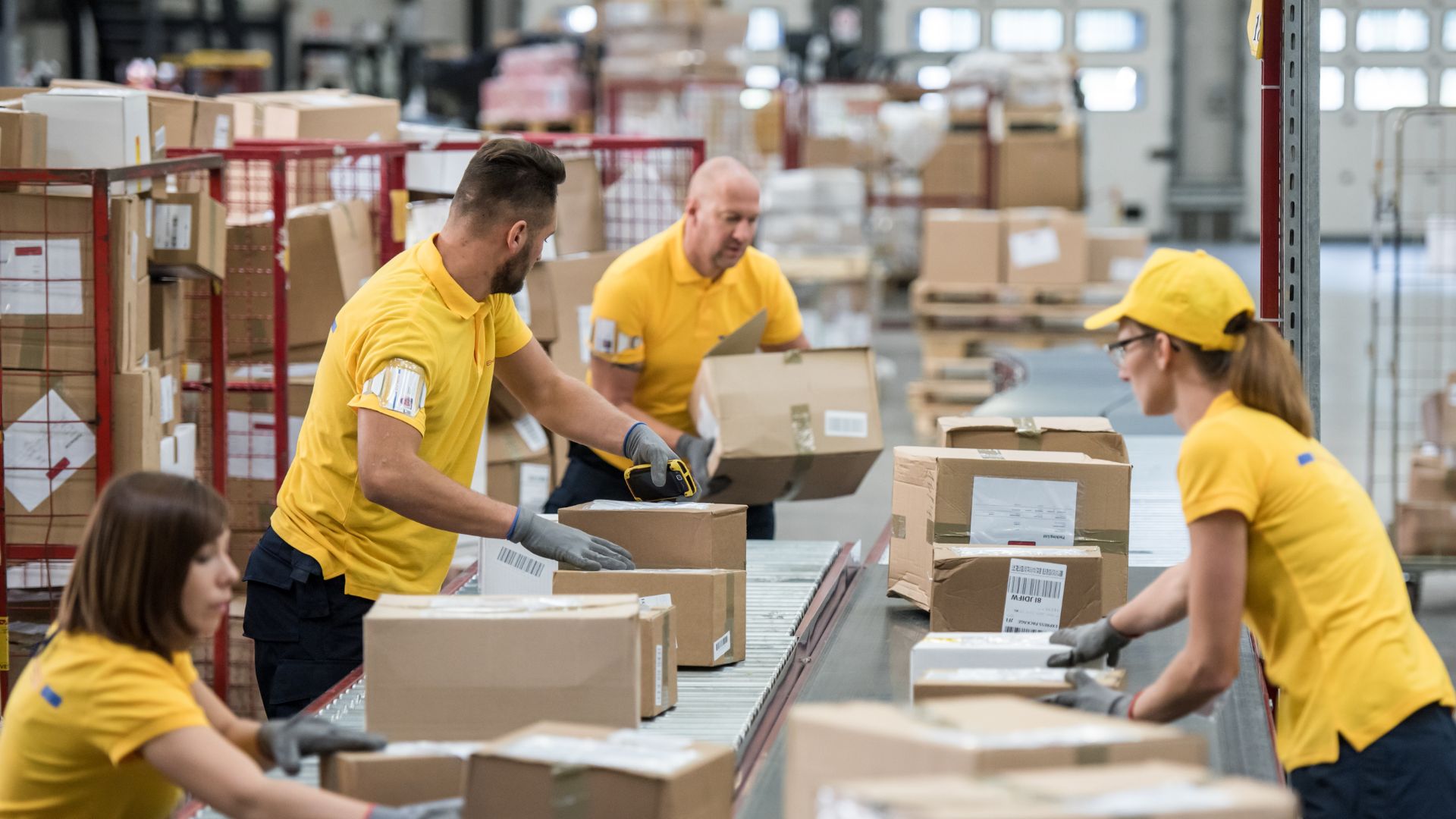
However, e-commerce has now cooled back to pre-pandemic levels. With consumers more cautious due to the cost-of-living pressures, growth is steadier rather than explosive, but it continues to underpin baseline demand for the sector going into 2026.
As sustainability and cost-efficiency become increasingly important, businesses are shifting toward lighter, more compact packaging options. The idea of circularity, closed-loop production and recyclability has become a defining theme of the sector.
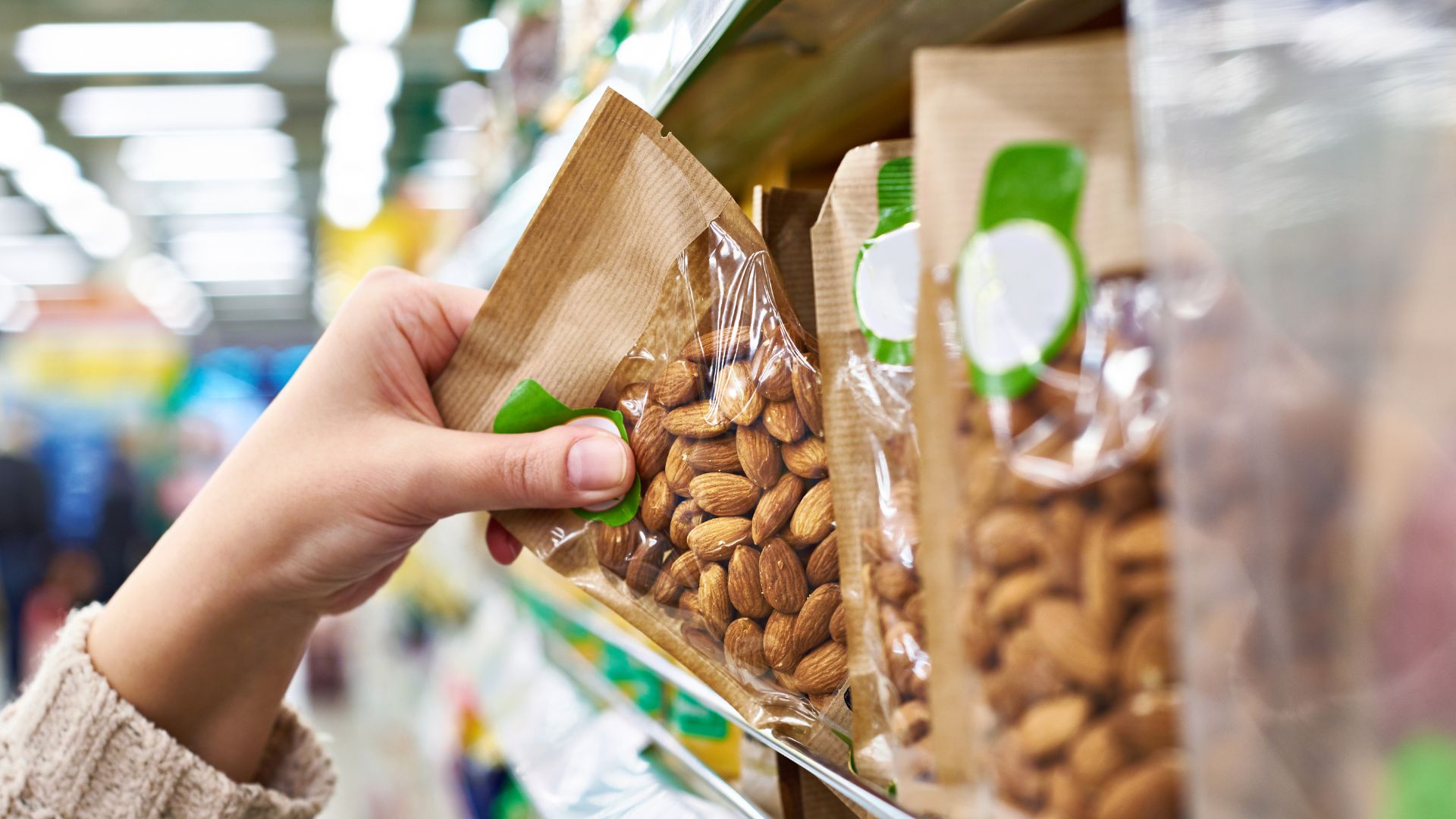
Although traditional cardboard boxes remain essential, more retailers are switching to flexible bags where possible. These options reduce transport costs, minimise materials usage and fit more easily into resource-efficient recycling systems. While many bags are plastic-based, their light weight, recyclability and ease of use, including for returns, are driving their adoption in 2026.
Even where boxes remain necessary, businesses are becoming far more sophisticated in how they use them. With margins under pressure and borrowing conditions tightening across the sector, firms are looking for every available efficiency. In 2025, financial conditions were rated neutral overall, but dependency on bank finance remained very high, reinforcing the need for cost discipline.
.2026-03-17-08-49-36.jpg)
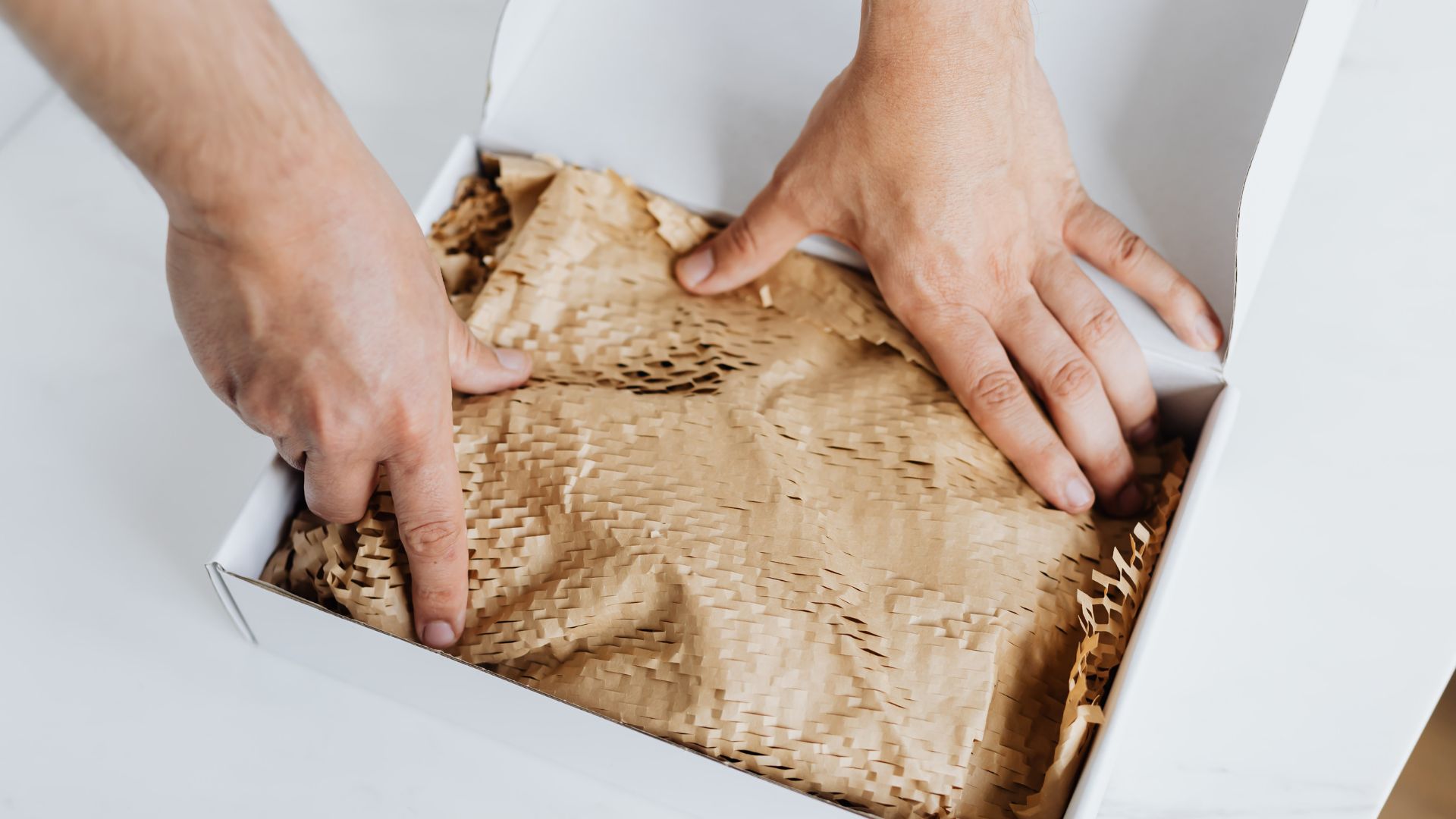
This is driving an “Ikea style” optimisation across the industry using the smallest possible box, maximising internal volume and reducing waste at every step of the packaging journey. Expect more brands to adopt space-efficient, material-efficient designs throughout 2026.
Not all sectors face the same degree of economic pressure. As we move into 2026, categories such as fast fashion and consumer discretionary goods continue to feel the effects of cautious household spending. But for sectors that produce necessity products such as food, pharmaceuticals and medical supplies remain stable sources of demand.

Food packaging needs remain steady, and innovation continues, driven by consumer demand for products that extend shelf life and reduce waste. Pharma and medical packaging, highly specialised and essential by nature, remains resilient regardless of wider economic fluctuations. Even as general business conditions stay broadly stable, these segments offer reliable growth potential within the broader packaging landscape.
Need guidance navigating the 2026 packaging landscape?
Contact us today, our team is here to help you make sense of shifting market pressures, emerging sustainability demands and the operational challenges shaping the year ahead. Whether you're reassessing your packaging strategy, exploring cost‑efficiency opportunities or preparing for sector‑specific risks, we can provide tailored insight and support.