Atradius Atrium
Get direct access to your policy information, credit limit application tools and insights.

 Ireland
 Australia
 Austria
 Belgium
 Brazil
 Bulgaria
 Canada
 China
 Czech Republic
 Denmark
 Finland
 France
 Germany
 Greece
 Group
 Hong Kong SAR
 Hungary
 India
Ireland
 Italy
 Japan
 Lithuania
 Mexico
 Netherlands
 New Zealand
 Norway
 Poland
 Portugal
 Romania
 Singapore
 Slovakia
 Slovenia
 Spain
 Sweden
 Switzerland
 Turkey
 United Arab Emirates
 United Kingdom
 United States
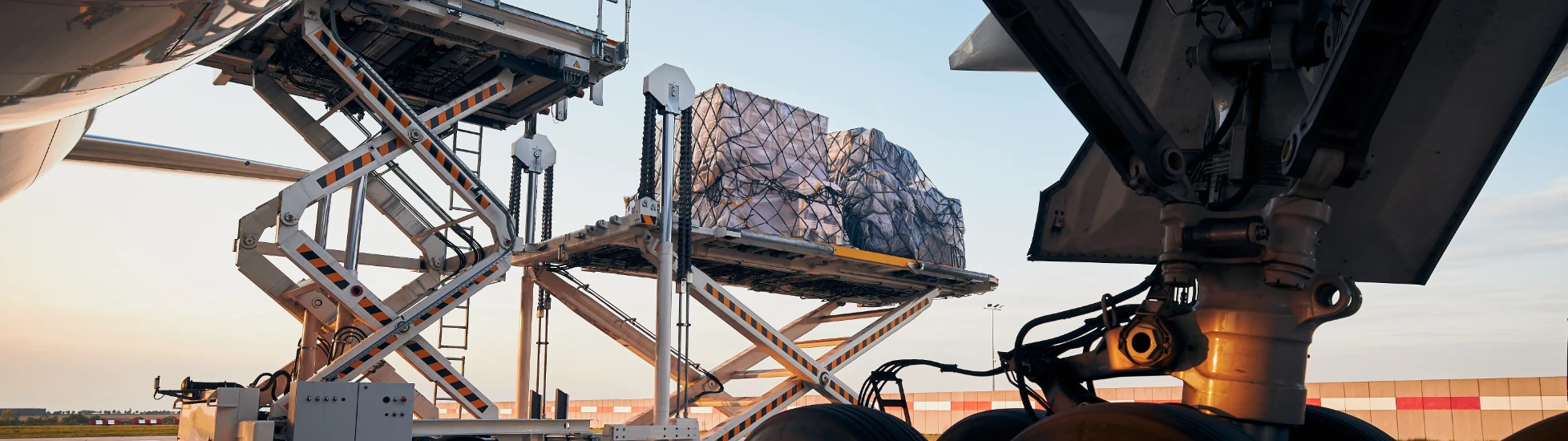
International trade plays a vital role in the world economy. The movement of goods and services across borders supports economic growth, business development, and consumer markets. However, these flows are exposed to a range of logistical risks. These are events or disruptions that delay, damage, increase the cost of, or prevent the movement of goods across borders. Such risks can affect supply chains, customer service, profitability, and ultimately a company's credit risk.
Maritime shipping remains the dominant mode of international freight transport, carrying more than 75% of world trade by volume. Road, rail, inland waterways, and air freight also play important roles, depending on the distance, destination, and type of goods being transported.
Although air freight carries less than 1% of traded goods by volume, it is critical for high-value and time-sensitive products such as semiconductors, pharmaceuticals, electronics, and luxury goods. It accounts for approximately one-third of world trade by value.
Geopolitical tensions, sanctions, and armed conflicts can disrupt or close key transport routes, increasing shipping costs and extending delivery times. Maritime transport is particularly vulnerable because it relies heavily on freedom of navigation through strategic waterways.
Strategic waterways such as the Strait of Hormuz, the Red Sea, the Taiwan Strait, and the South China Sea are particularly exposed to geopolitical tensions that can disrupt traffic, increase costs, and extend delivery times.
Severe weather and climate-related events can also have a major impact on logistics networks. Hurricanes, typhoons, floods, and storms can significantly disrupt transport operations. Droughts affecting waterways such as the Panama Canal can reduce capacity and create delays across global supply chains. Similarly, low river levels can restrict inland waterway transport and reduce shipping volumes.
As climate change increases the frequency and severity of extreme weather events, businesses face growing uncertainty in managing transport networks and maintaining reliable delivery schedules.
These disruptions affect not only logistics providers and traders directly involved in the affected regions but also supply chains worldwide. The consequences can include product shortages, production delays, and higher prices across multiple markets.
When geopolitical events or severe weather disrupt established shipping routes, carriers often reroute vessels through alternative ports. While rerouting can help maintain trade flows, it rarely eliminates the wider impact of disruption.
Longer transport routes increase shipping costs, extend transit times, and keep goods in transit for longer periods. This raises inventory financing requirements, puts pressure on working capital, and can weaken liquidity throughout supply chains.
Ports receiving additional traffic may also experience congestion, leading to delays, storage charges, and higher freight rates.
Even under normal operating conditions, port congestion has become increasingly common. Growing trade volumes, labour shortages, and capacity constraints continue to strain major ports worldwide. Although many countries are investing in port expansion projects, these initiatives require substantial time and capital, meaning congestion is likely to remain a challenge.
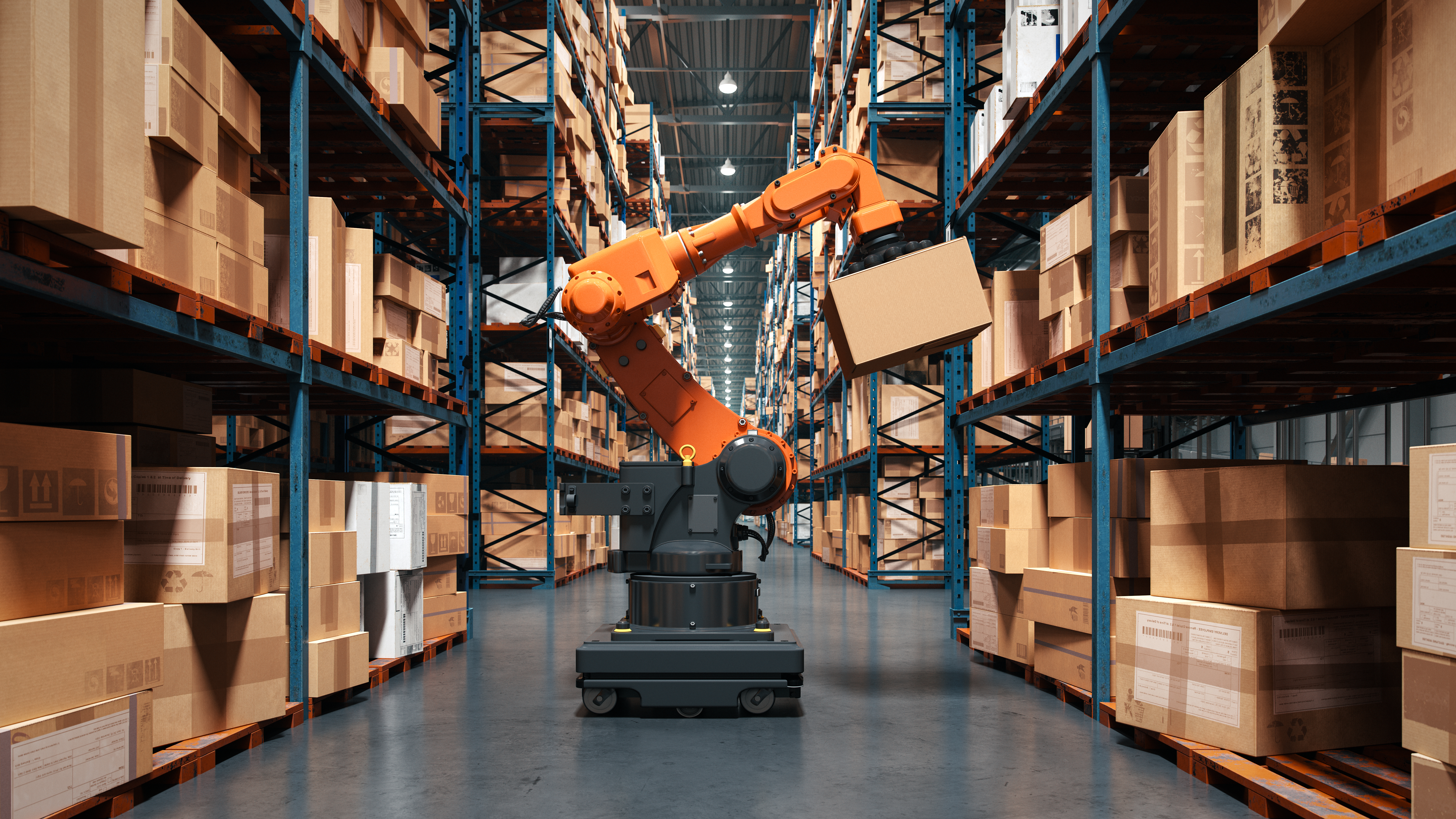
Container shortages can pose a significant logistical challenge in international trade. The issue became particularly visible during the Covid-19 pandemic, when shifts in consumer demand and trade patterns disrupted the global distribution of containers. As demand surged in certain markets, large numbers of empty containers accumulated in locations where they were not needed while exporting regions experienced shortages. This imbalance created bottlenecks throughout supply chains, contributing to higher freight rates, longer transit times, and delivery delays.
The effects often extend beyond transportation. Container shortages can lead to production interruptions, declining inventory levels, and difficulties in meeting customer demand. Export-dependent emerging economies can be particularly exposed because businesses in these markets may have fewer resources to compete for container availability during periods of high demand.
Trade policy and tariff-related risks arise from changes in trade agreements, tariffs, quotas, safeguard measures, import and export controls, and other government policies affecting cross-border trade.
These measures can increase shipment costs, create uncertainty, and disrupt established logistics networks. Trade disputes, political tensions, and sudden regulatory changes may alter sourcing strategies, customs requirements, and market access conditions.
Businesses may face higher costs, delivery delays, reduced competitiveness, and increased compliance obligations. As governments continue to use trade policy as a strategic economic and geopolitical tool, companies operating internationally must remain alert to changing regulations and their impact on supply chains.
Customs and regulatory risks arise when goods fail to meet legal, customs, or trade requirements during cross-border transportation. Common issues include inaccurate documentation, incorrect customs classifications, sanctions breaches, and non-compliance with import, export, labelling, or product regulations. These problems can result in customs delays, additional duties and taxes, financial penalties, shipment holds, or even confiscation of goods.
Regulatory requirements are becoming increasingly complex as governments introduce new trade agreements, sustainability standards, and security measures. Businesses must therefore devote sufficient resources to documentation and compliance to avoid preventable and potentially costly disruption.
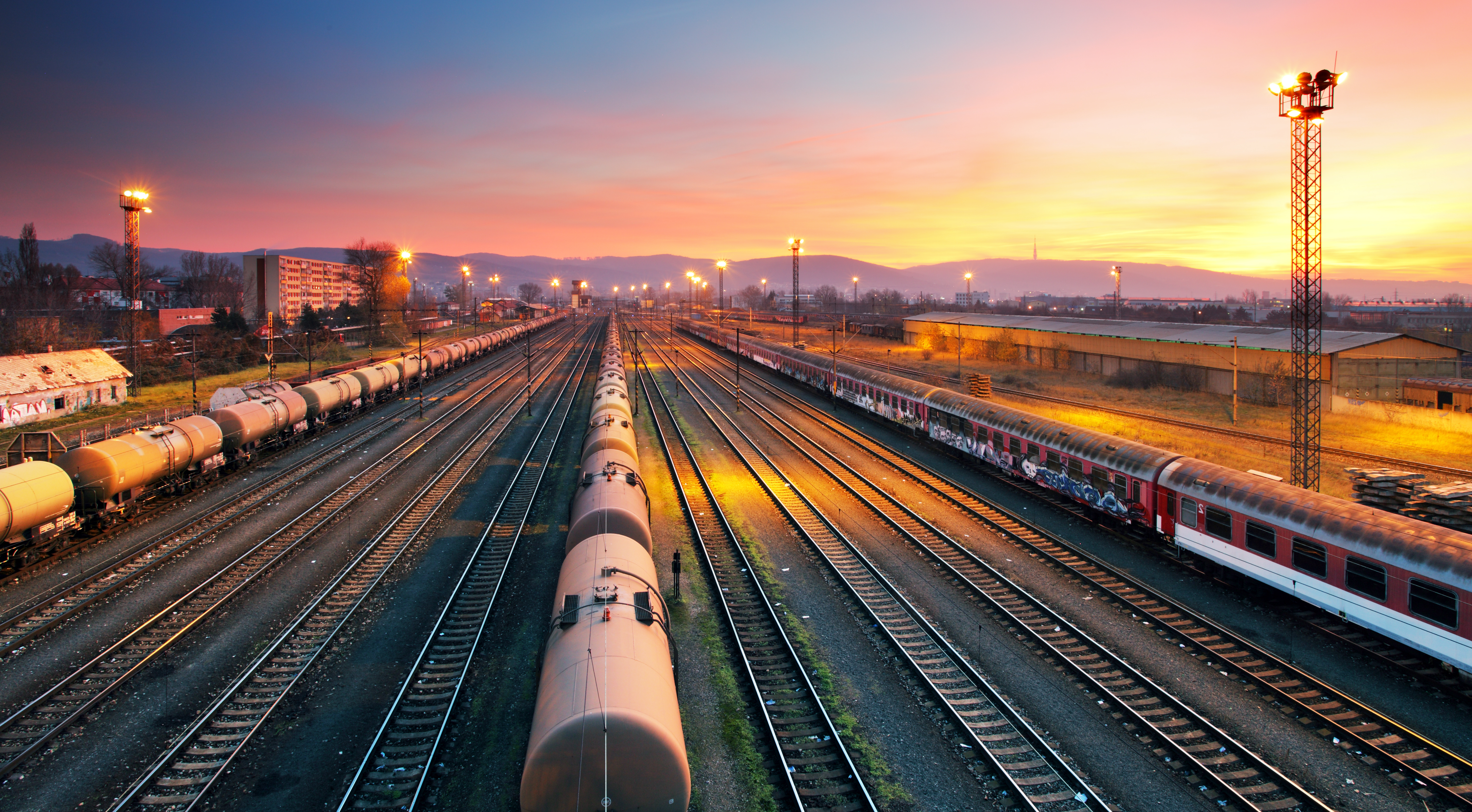
Operational risks are disruptions that affect the efficient movement, handling, and storage of goods throughout the supply chain. Typical examples include transport delays, supplier failures, poor inventory management, labour shortages, strikes involving drivers, warehouse workers, or seafarers, equipment failures, cargo damage, and compliance breaches. Any of these events can interfere with normal operations and reduce supply chain efficiency.
The consequences often include higher operating costs, reduced customer satisfaction, lost revenue, and disruptions to production and distribution schedules. Effective planning, supplier diversification, and strong operational controls are essential to limiting the impact of these risks.
Cybersecurity has become a major concern for the logistics sector because modern supply chains depend on interconnected digital systems, cloud platforms, external service providers, and real-time data exchange.
Key threats include ransomware attacks, phishing campaigns, data breaches, compromised third-party suppliers, and vulnerabilities in connected devices such as telematics systems and Internet of Things (IoT) sensors. These attacks can disrupt critical operations, including warehouse management, shipment tracking, inventory control, and transport scheduling.
Beyond operational disruption, cyber incidents can cause significant financial losses, expose sensitive business and customer information, trigger regulatory penalties, and damage corporate reputations. As logistics operations become increasingly digital, strong cybersecurity measures are essential for maintaining resilient and reliable supply chains.
Logistical disruptions often trigger a chain reaction across supply chains. Delayed deliveries can lead to inventory shortages, production slowdowns or stoppages, missed sales opportunities, and higher working capital requirements. As a result, businesses may experience weaker cash flow, reduced profitability, and increased credit risk.
Industries that depend heavily on global supply chains and just-in-time delivery systems are particularly vulnerable. Exposure is not necessarily determined by geographic proximity to a transport chokepoint but by the degree of dependence on uninterrupted global trade flows.
Transport and logistics providers often experience the immediate impact of disruption. They must manage route changes, absorb or pass on rising operating costs, address scheduling problems, and maintain effective communication with customers.
Customer payment behaviour can also deteriorate during periods of disruption. Businesses facing operational difficulties may seek longer payment terms, delay invoice settlement, or encounter financial stress. Consequently, logistical disruptions can extend beyond operational challenges and develop into broader credit risks throughout supply chains.
Companies that understand their supply chains and transport routes are better placed to identify vulnerabilities and respond quickly to disruptions. Given the potential impact on costs, margins, cash flow, and delivery performance, strengthening supply chain resilience should be a strategic priority.
Businesses can reduce exposure to logistical risks by monitoring trade and regulatory developments, diversifying suppliers and markets, maintaining flexible logistics networks, and ensuring accurate documentation and regulatory compliance. Real-time supply chain visibility, contingency planning, and strong relationships with suppliers, carriers, and logistics partners can further improve resilience.
Companies that anticipate disruption and adapt quickly are more likely to protect liquidity, maintain business continuity, and preserve competitiveness in an increasingly uncertain trading environment. Understanding where supply chains intersect with critical transport chokepoints can also help businesses assess potential impacts on costs, customer payment performance, and credit risk.
Credit insurance can strengthen resilience against the indirect effects of logistical disruption. In particular, it can manage the financial consequences when disruptions affect customers' ability to pay. By protecting receivables against commercial and political risks, trade credit insurance helps businesses safeguard cash flow, maintain liquidity, and trade with greater confidence during periods of supply chain disruption and uncertainty.
To explore how to strengthen your own credit risk strategy, get in touch with us and see how we can help you stay ahead.
